Works of Shenoute of Atripe
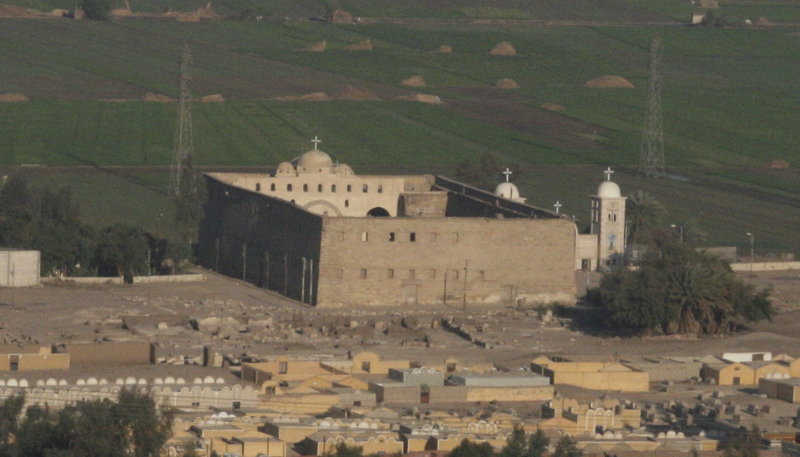
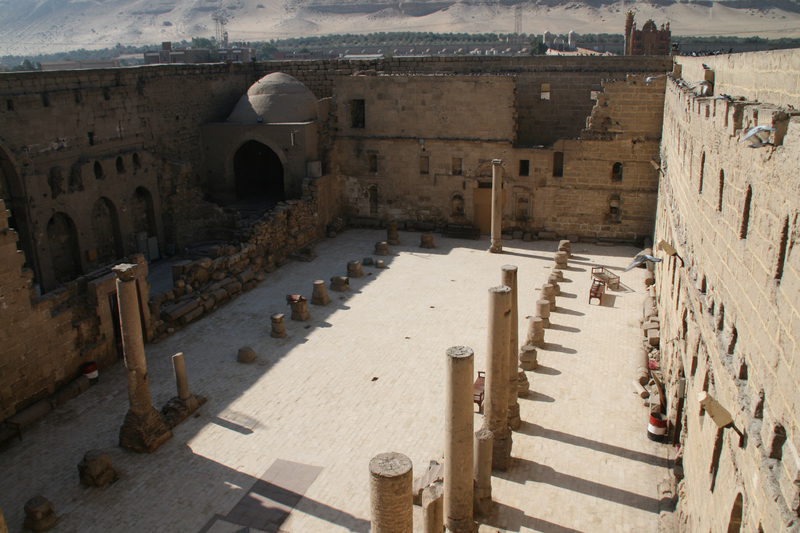
Shenoute of Atripe (ca. 347-466) was the third archimandrite of the so-called White Monastery, located on Upper Egypt north of Thebes, just outside the town of Atripe (now the modern city of Sohag). He left an extensive literary heritage, which includes monastic canons, homilies for various religious feasts, and letters. Shenoute's writings provide an invaluable glimpse into the complex world of Egyptian monasticism in the 4th and 5th centuries. Notably, Shenoute is the most prominent author of Coptic literature, his writings being almost exclusively preserved in manuscript fragments from the White Monastery.
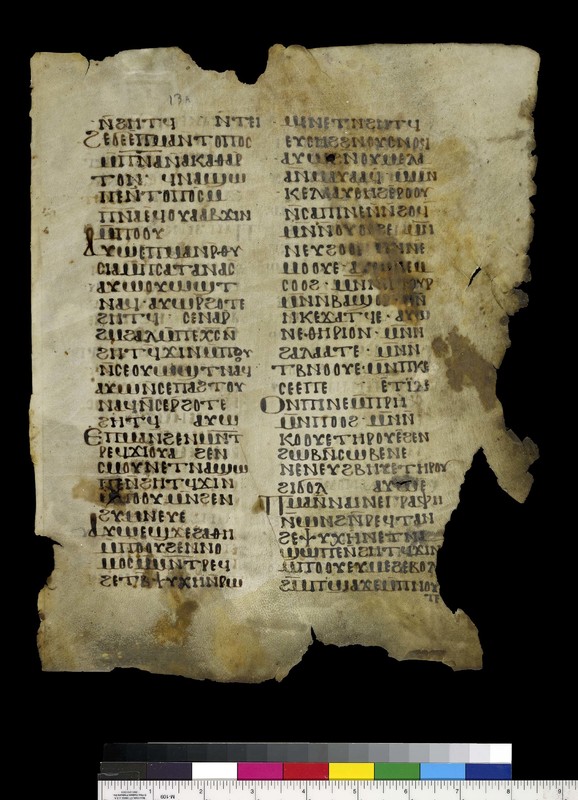
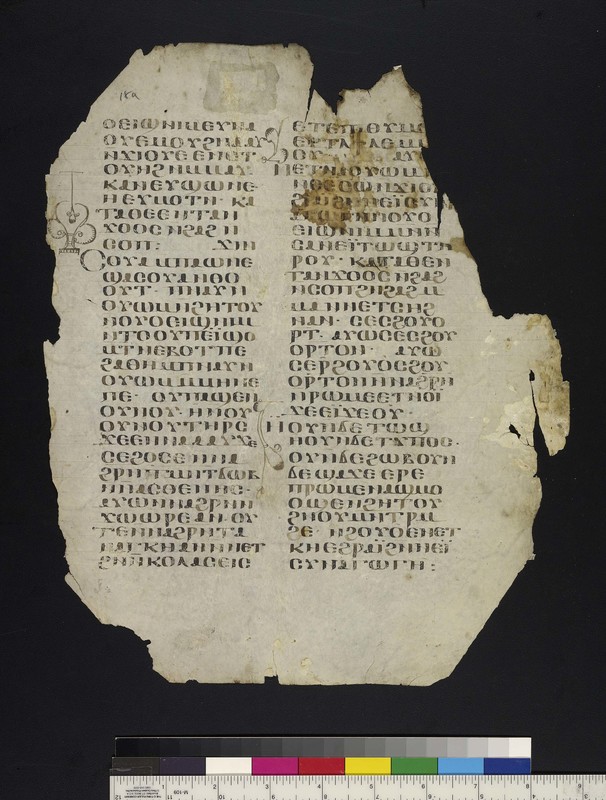
Mich. Ms. 158.17
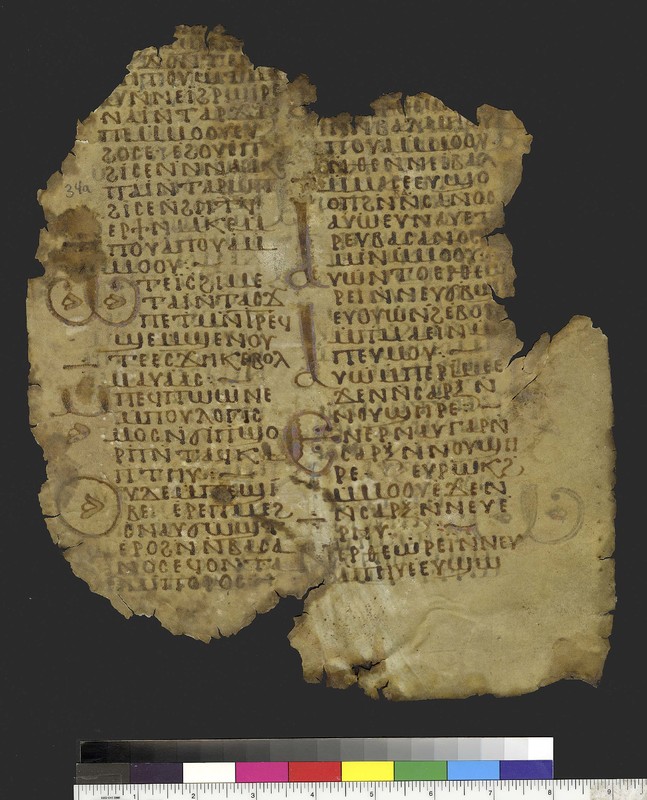
Shenoute of Atripe (ca. 348-465). Canon 4, Why, O Lord. Parchment. First leaf of a two-leaf fragment (bifolium). Recto. White Monastery, Sohag (Egypt). Fragments of the same manuscript are kept in Naples, Vienna, Cairo, Paris, London, and Cambridge. ca. 7th-8th century. Parchment; 26 x 21.7 cm.

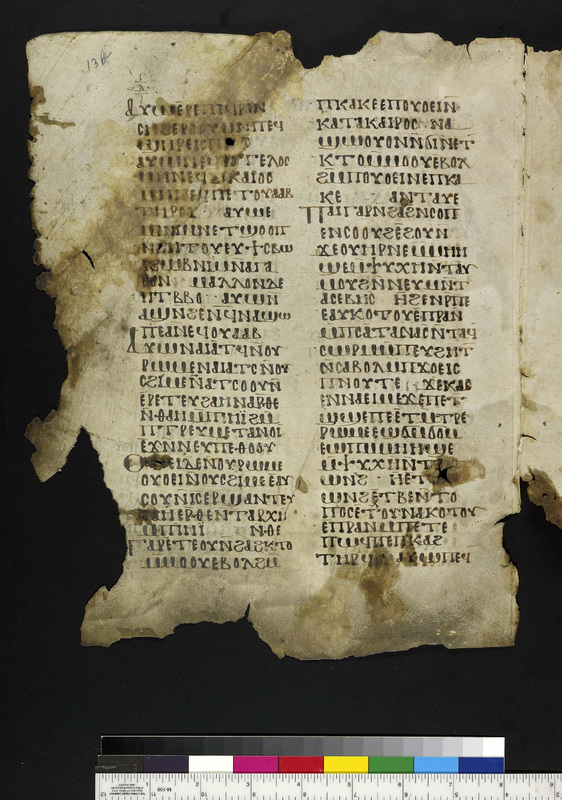
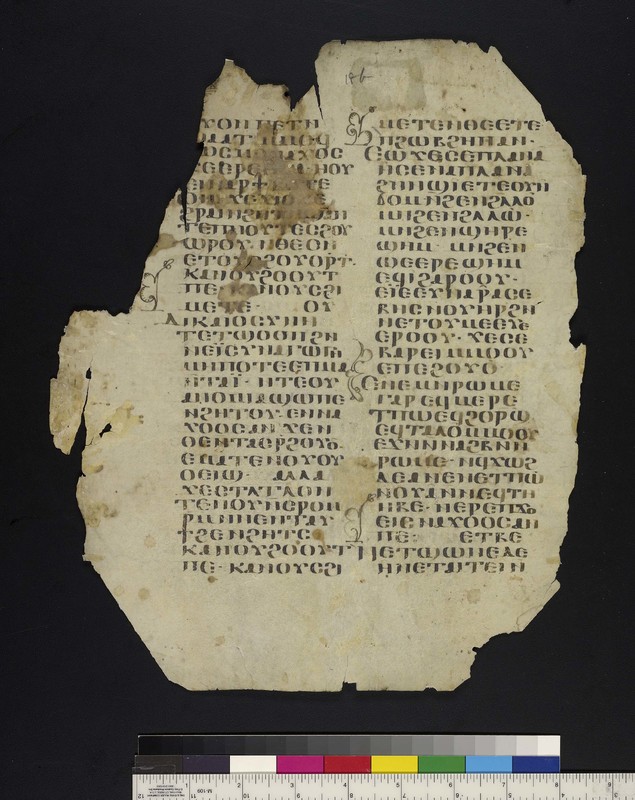
Mich. Ms. 158.17
Shenoute of Atripe (ca. 348-465). Canon 4, Why, O Lord: 233-4. Parchment. First leaf of a two-leaf fragment (bifolium). Verso. White Monastery, Sohag (Egypt).Fragments of the same manuscript are kept in Naples, Vienna, Cairo, Paris, London, and Cambridge. ca. 7th-8th century. Parchment; 26 x 21.7 cm.

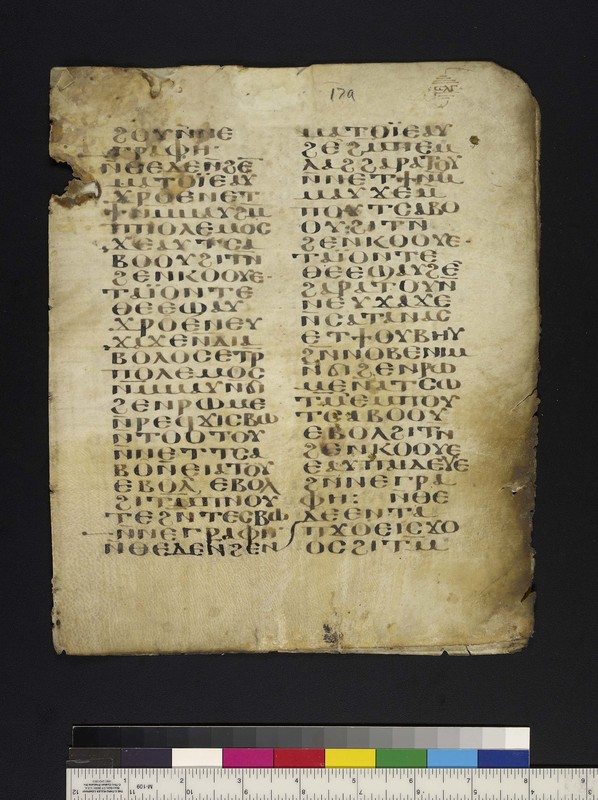
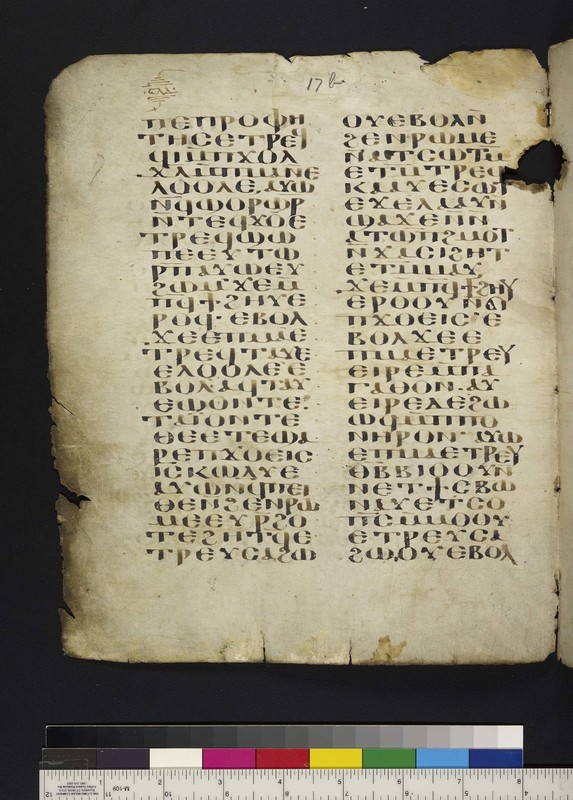
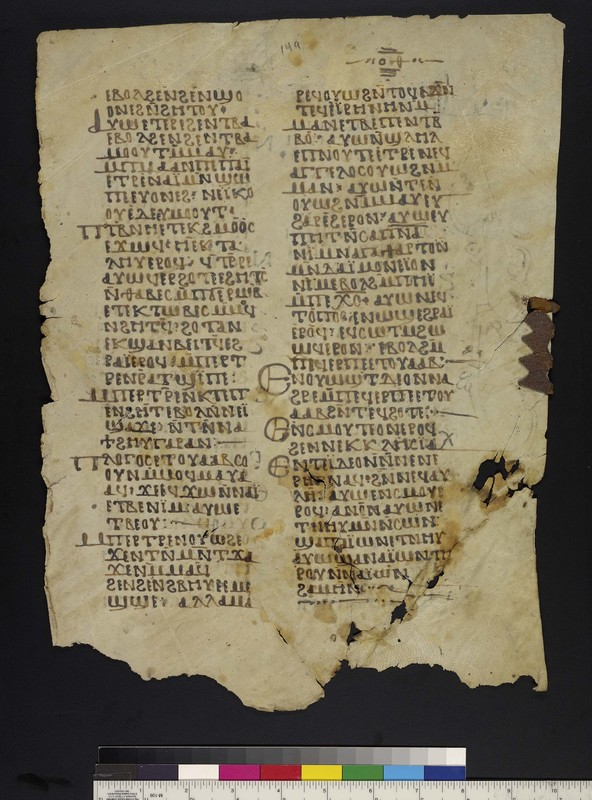
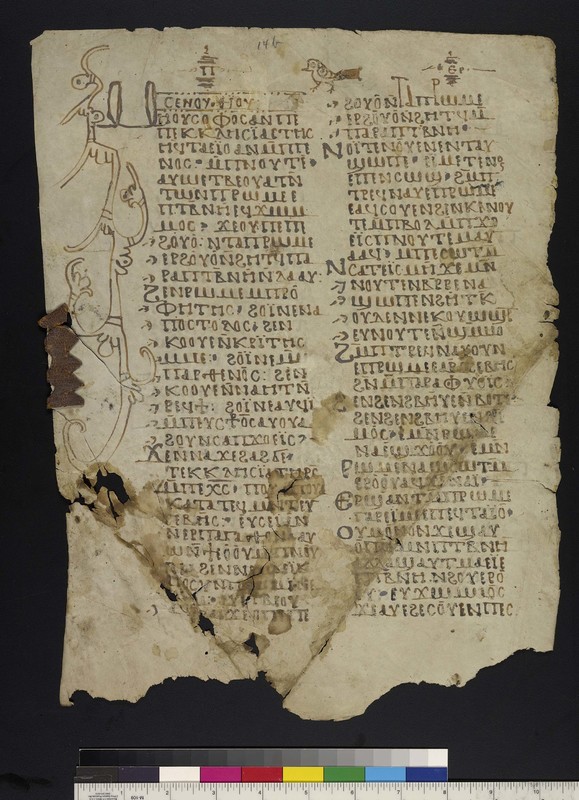
Mich. Ms. 158.14
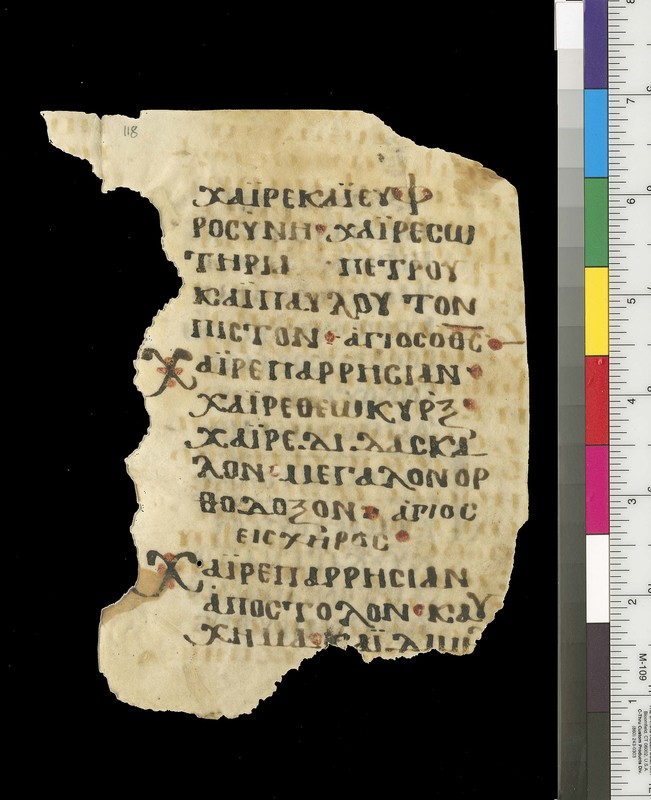
Shenoute of Atripe (ca. 348-465). Canon 7. Acephalos work A13: 79: i.1-ii.32. Is Ecclesiastes Not Wise: 80: i.2-ii.33. Parchment. Recto. White Monastery, Sohag (Egypt). Fragments of the same manuscript are kept in Cairo. ca. 10th century. Parchment; 38 x 28.8 cm. On the right edge of the page is a piece of leather being used as a tab, or marker, to allow readers to locate a section of the book easily.

Manuscripts Copied in Touton
Palimpsests